

The Blog will help in understanding the functionality of queryString in RAML. It helps, passing at least one mandatory query parameter out of more than one mandatory query parameter defined in RAML.
RAML:
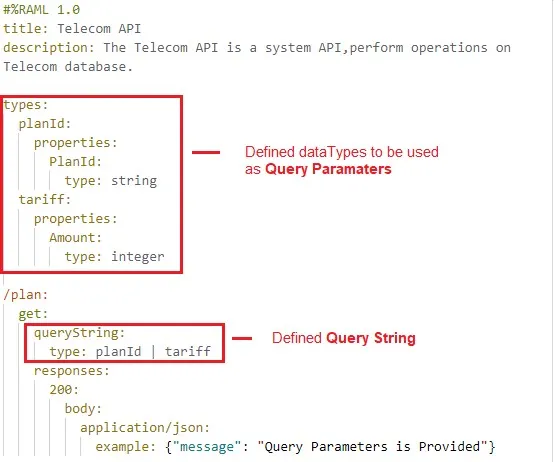
RAML Summary:
PlanId
Data type defined for PlanId query parameter.
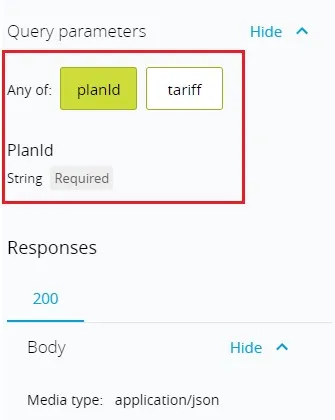
Tariff
Data type defined for Amount query parameter.

Both the query parameters PlanId and Amount unders the dataTypes planId and tariff are defined in RAML and both are required.
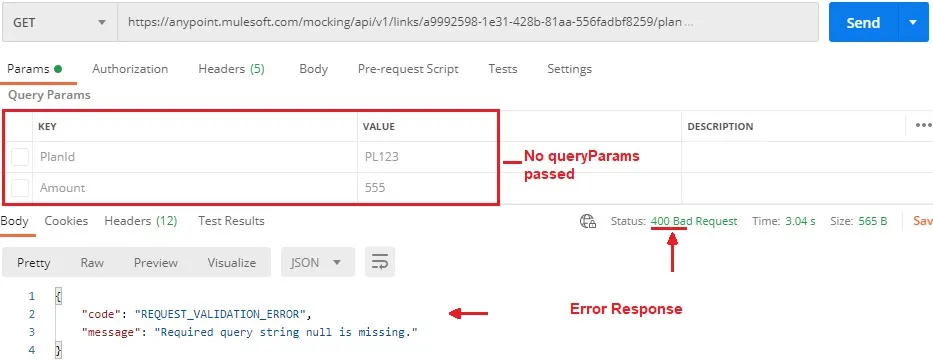
Testing:
1. Passing Both the Query Parameters
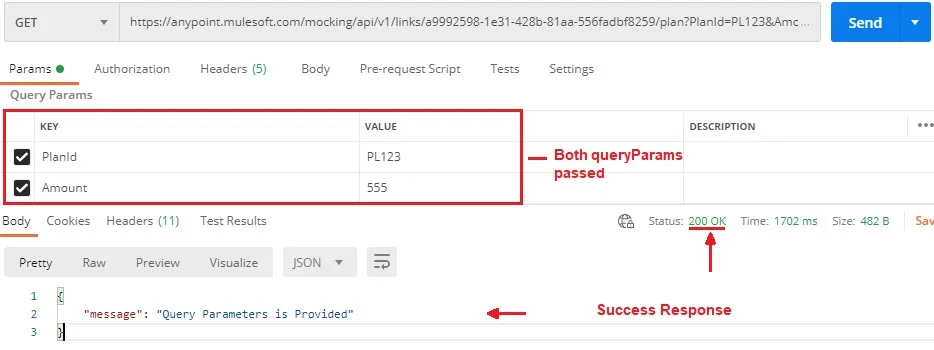
2. Passing Only PlanId as Query Parameter

3. Passing Only Amount as Query Parameter

4. No Query Parameters passed

“Thank you for taking out time to read the above post. Hope you found it useful. In case of any questions, feel free to comment below. Also, if you are keen on knowing about a specific topic, happy to explore your recommendations as well.”

Abhishek Bathwal
Integration and API Specialist at DigitalBuzz Software, specializing in RAML API specifications, API governance, and advanced DataWeave architecture.
Related Articles
All ArticlesCustom Function To Transform Only The Keys Using Dataweave In Mule 4
Discover how to create a custom DataWeave function to transform keys in Mule 4.
Connecting Amazon Redshift Database using MuleSoft DB Connector
Learn how to connect Amazon Redshift with MuleSoft Database Connector using JDBC drivers.